Hello Smiley Font: Elevating Web Design with Playful Typography
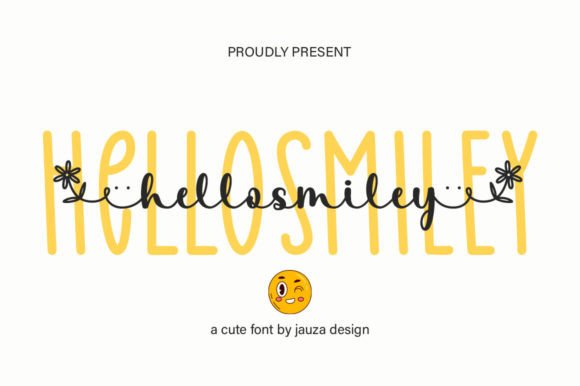
I was halfway through a redesign for a boutique lifestyle brand when I hit that familiar wall. The layout was clean, the color palette was soothing, and the user flow was logical, but the hero section felt flat. It lacked personality. I needed a typeface that could bridge the gap between professional reliability and approachable warmth. That is when I started testing Hello Smiley, a lovely duo font from Script Amp that combines a structured sans serif with a lively script.
As a web designer, I am always cautious about introducing decorative elements into a digital interface. Too much flair can hurt readability, while too little can make a brand forgettable. Hello Smiley offered an interesting compromise. The product description promises characters that "dance along the baseline," adding a luxury spark to design projects. I wanted to see if that spark translated effectively to screen-based media, where pixel perfection and loading speeds matter just as much as aesthetics.
Testing Visual Hierarchy in the Hero Section
The first place I applied Hello Smiley was the main headline of the landing page. In modern web design, the hero section has mere seconds to capture attention. I used the script component for the primary emotional hook and the sans serif for the supporting subhead. The contrast was immediate and effective. The script font brought a handwritten, human touch that softened the rigid grid of the website, while the sans serif maintained clarity and structure.
This duality is what makes Hello Smiley such a versatile tool for digital creators. It is not just a single style but a cohesive system. When building a brand identity online, consistency is key. Using a duo font ensures that your decorative and functional typography share the same DNA, creating a harmonious visual language. For this project, the "dancing" baseline of the script added a subtle motion to the static page, guiding the eye naturally toward the call-to-action button without feeling chaotic.
Readability and Mobile Responsiveness
One of my biggest concerns when selecting a new typeface is how it performs on mobile devices. A font that looks elegant on a 27-inch monitor can become illegible on a smartphone screen. I resized the viewport to test Hello Smiley across various breakpoints. The sans serif component held up remarkably well, maintaining its legibility even at smaller sizes. This is crucial for body copy, navigation menus, and footer information.
The script component, being more decorative, required careful handling. I found it worked best for short phrases, logos, or section headings rather than long paragraphs. On mobile, I increased the line height and ensured there was ample whitespace around the script text to prevent it from feeling cramped. For web designers, this is a standard practice when working with any script font or handwritten font. The goal is to let the letters breathe. Hello Smiley’s open forms helped in this regard, making it easier to read against both light and dark backgrounds, provided there was sufficient contrast.
Strategic Font Pairing for Digital Brands
While Hello Smiley is a duo font, understanding how to pair it with other existing assets is vital for complex websites. If a client already has a specific serif font for their blog articles, how does Hello Smiley fit in? I experimented by using the sans serif part of Hello Smiley for UI elements like buttons and labels, while keeping the client’s preferred serif for long-form content. This created a layered typographic hierarchy that felt intentional and sophisticated.
For those starting from scratch, Hello Smiley simplifies the font pairing process. You do not need to hunt for a complementary sans serif because it is included. This saves time during the design phase and reduces the number of font files the browser needs to load, which can positively impact page speed—a critical factor for SEO and user experience. Whether you are designing a course sales page, a portfolio homepage, or an online store banner, having a pre-paired set ensures your design assets remain cohesive.
Applications Beyond the Website Header
The versatility of Hello Smiley extends beyond the main navigation. I utilized the script style for pull quotes within the blog section, breaking up the text and adding visual interest for scanners. For the e-commerce components, the sans serif proved ideal for product titles and pricing, offering a clean, modern typography look that instilled trust. Trust is a subtle but powerful element in UX design; users are more likely to convert when the interface feels polished and professional.
I also tested the font in digital ads and social media graphics derived from the website’s brand kit. The luxury spark mentioned in the description translated well to square and vertical formats. The dancing baseline added a dynamic quality that stood out in crowded social feeds. For creative business owners and marketers, this means you can maintain a consistent brand voice across all touchpoints, from the landing page to the Instagram story.
Licensing and Technical Considerations
Before finalizing any font choice for a client project, I always review the licensing terms. Hello Smiley is available as a commercial font, which is essential for any revenue-generating website, online shop, or client work. Ensuring you have the correct webfont availability and file formats is part of responsible web development. I checked the included styles to confirm that the weights provided were sufficient for bold headlines and regular body text.
Additionally, I looked into multilingual support. For brands targeting a global audience, having a typeface that supports various character sets is non-negotiable. While Hello Smiley shines in English-based designs, verifying its glyph coverage for specific regional languages is a necessary step before full deployment. This attention to detail prevents layout breaks and ensures a seamless experience for all users.
In conclusion, integrating Hello Smiley into this web project transformed the digital presence of the brand. It moved the design from generic to distinctive, adding a layer of personality that resonated with the target audience. For UI designers and digital product creators, it serves as a reminder that typography is not just about reading; it is about feeling. By balancing the playful nature of the script with the reliability of the sans serif, Hello Smiley offers a practical solution for creating engaging, readable, and aesthetically pleasing web experiences. Whether you are refreshing a blog header or launching a new campaign landing page, this typeface provides the tools to build a more polished and memorable online brand identity.